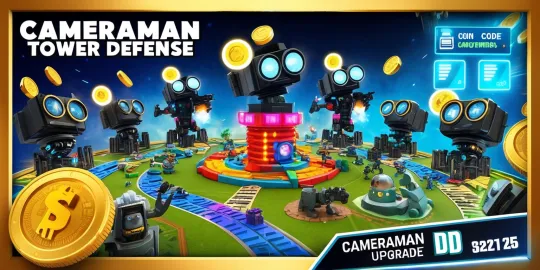
Roblox tower defense games keep finding new ways to surprise players, and Cameraman Tower Defense stands out by leaning into a strange, memorable theme. Instead of borrowing familiar heroes or fantasy warriors, it fills the battlefield with humanoid cameramen whose camera heads give the whole experience a sharp visual identity. The result is a tower defense game that feels both playful and tactical, with waves of enemies moving forward while you try to build the right defense in time. For players looking to progress faster, redeemable codes offer a useful shortcut by handing out free Coins that can be spent on summoning more units. Those extra resources can make the early game smoother and help you get stronger cameramen without needing to grind endlessly.
A battlefield with a camera-faced identity
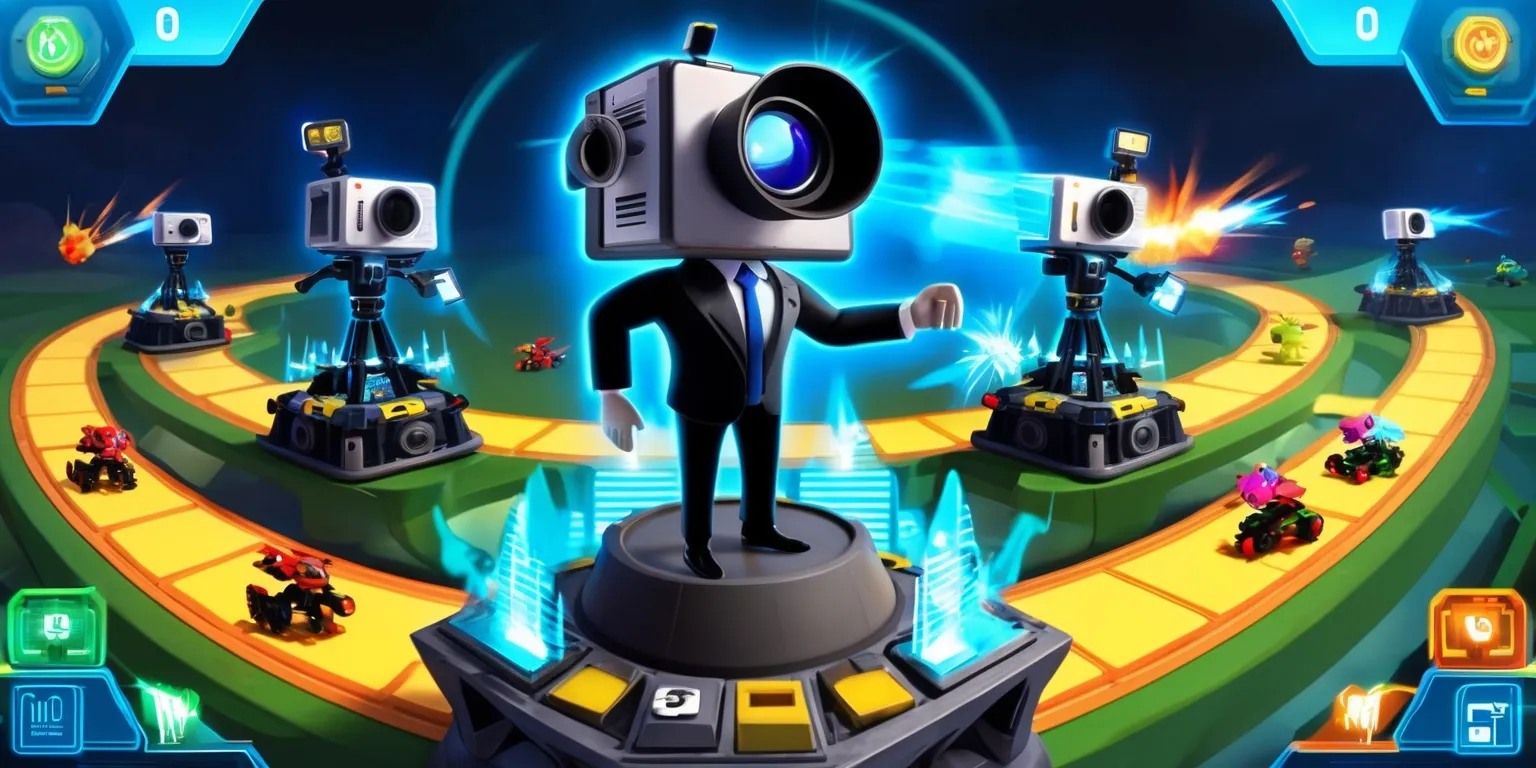
The first thing that separates this game from many other Roblox tower defense titles is its unusual cast. The units are not generic soldiers or stylized anime defenders, but humanoid figures with cameras where their faces should be. That design choice gives the gameplay a fresh personality and makes each unit instantly recognizable during a match. Even before the action starts, the theme creates curiosity because it feels playful, slightly absurd, and surprisingly coherent at the same time. The visual concept is more than a joke; it helps the game create its own tone and keeps the battlefield from feeling interchangeable with other defense titles.
How the combat loop keeps players engaged
Cameraman Tower Defense follows the familiar tower defense rhythm, but it keeps that loop active through constant positioning decisions. Enemies travel along a conveyor-like route, and your job is to deploy units that can hold them back before they reach the end. This means every placement matters, especially when you are limited by resources at the start of a round. You are not just placing towers and waiting. You are managing timing, spacing, and upgrade choices while trying to anticipate what kind of enemy pressure is coming next. That steady demand for attention is what turns each match into a small puzzle rather than a passive defense sequence.
Why Coins matter so much
Coins are the core progression currency, and they influence nearly everything you do outside a match. They are used to summon new cameramen, which means they directly affect how many options you have when building a team. More Coins can lead to stronger units, better flexibility, and a greater chance of adapting to tougher waves. Because of that, free code rewards are especially valuable for newer players who need an early boost. Even a small contribution can help lessen the time spent repeating matches just to afford the next summon. In a game built around collection and strategy, resources are not just helpful extras; they shape the entire pace of advancement.
Codes as a shortcut for faster growth
The active code system adds a practical layer to the experience. Instead of forcing everyone to start from zero, the game offers periodic rewards that can speed up early progress. The listed codes provide free Coin bonuses, with some offering larger amounts than others, which creates a simple but satisfying incentive to check for updates. These rewards can be particularly beneficial when you’re looking to build a stronger lineup before taking on more demanding stages or leaderboard competition. Since the game can involve repeated play sessions to gather enough currency, codes act as a welcome relief and help players focus on experimenting with units instead of endlessly repeating the same early grind.
Redeeming rewards without confusion
Claiming a code in Cameraman Tower Defense is straightforward, but the process still asks for a little attention. The redemption menu is found in the store section on the left side of the display, and the code input section sits farther down within that interface. Once you reach it, you simply enter a valid code and press the redeem button. The process is easy to follow, but it does require careful typing. Since the system treats codes with precision, even one small mistake can prevent the reward from being accepted. Copying and pasting helps, though it is important to avoid extra spaces at either end of the text. That detail can be the distinction between a valid claim and a frustrating error.
The three-win requirement and why it exists
One notable part of the system is that you need three victories before you can redeem codes. This requirement adds a small progression gate that encourages players to learn the basics first rather than relying on free rewards immediately. For beginners, that may sound like a hurdle, but it also gives structure to the opening phase of the game. To meet the requirement efficiently, players can head to Toilet City and choose the one-player mode. That setting makes it easier to practice placement and learn how waves behave. Once you secure three wins, the code menu becomes available, and those Coins can then be used to strengthen your roster.
Solo matches as a training ground
The one-player mode is more than just a way to make progress quickly. It serves as a controlled environment for understanding how the game works. With full control over your own placements, you can test unit ranges, observe how enemies travel, and figure out which towers contribute most in the early stages. Because you can place up to 15 units and upgrade them, a well-planned setup can very effectively cover the route. This makes the solo mode a strong learning tool for new players and a useful testing space for experienced ones who want to refine their strategy. Winning there becomes as much about understanding the map as it does about raw power.
Unit placement and upgrade decisions
One of the most satisfying parts of Cameraman Tower Defense is deciding where each unit should go. Since the game features different class types, including ranged and melee options, placement changes the entire shape of a match. Ranged units can contribute from a distance, while melee units often need more careful positioning to make sure they are impactful at the right point on the route. Once your units are deployed, upgrades become just as important. Boosting a unit at the proper moment can transform a shaky defense into a reliable one, especially when enemy waves begin to intensify. Every choice feels meaningful because resources are limited, and each slot on the battlefield has a real role to play.
Enemy waves and the conveyor-style flow
The conveyor belt setup gives the action a distinct rhythm. Enemies do not wander randomly; they advance in a predictable path that lets players read the battlefield with some clarity. That structure makes the game approachable, but it also creates tension because misplacing a tower can have immediate consequences. As waves progress, the pressure increases and forces you to think ahead rather than reacting too late. The route-based design also highlights the importance of lane coverage and attack timing, especially when multiple units are needed to support a single choke point. Because the movement is so visible, each wave feels like a test of preparation and quick adjustment rather than pure chance.
Visual style and the tone of the experience
The game’s visual style is part of what makes it memorable. The camera-faced characters give the world a strange but amusing personality, and that theme carries across the whole experience. Rather than aiming for a serious military look, the game embraces a quirky visual language that feels lighthearted without losing its strategic focus. The maps, unit models, and interface work together to keep the action readable, which matters a lot in a tower defense game where timing is everything. The result is an experience that feels playful at first glance but still rewards focused attention. It is a style that makes the game easy to remember and easy to identify among other Roblox titles.
Progression, leaderboard goals, and replay value
What keeps players coming back is the combination of collection, strategy, and competition. As you gain more Coins and summon better units, your overall effectiveness improves, which opens the door to more ambitious runs. The leaderboard aspect gives skilled players something additional to strive for, since efficient defense and smart unit selection can help you stand out. At the same time, the game remains approachable enough that casual players can still enjoy repeated matches while slowly building a stronger roster. The loop of earning, summoning, placing, and refining creates steady replay value because each session can move you a little closer to a more powerful setup.
Why the code list matters for new and returning players
For new players, the code list acts like a welcome boost that softens the early difficulty curve. It helps bridge the gap between starting with limited options and building a roster that can handle tougher stages. For returning players, the same rewards can serve as a convenient way to collect a handful of additional Coins without repeating early content too many times. Since the game updates over time and some codes expire, staying aware of the active list can make a real difference in how quickly you expand your unit collection. The system fits naturally into the game’s broader design because it supports experimentation, reduces frustration, and gives players more freedom to shape their defense style.
Strategy choices that shift from match to match
Even though the basic formula is easy to understand, the game offers enough variation to keep strategies from feeling static. Some situations may favor heavier frontline presence, while others reward units that can deal damage from safer positions. The variety of enemy waves means you cannot rely on a single arrangement forever, so adjustment becomes part of the fun. That flexibility encourages players to think about efficiency, synergy, and placement order as they build their team. Because the game gives you a clear battlefield and a limited roster of units, each match becomes a chance to experiment with a different approach, whether you are preserving resources early or spending aggressively to hold a dangerous wave.