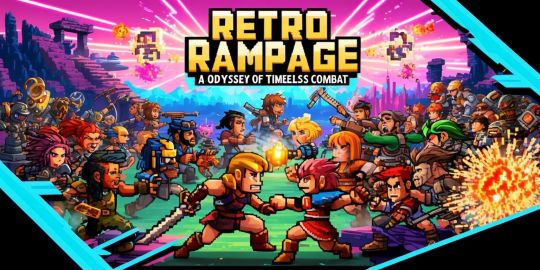
In a vibrant reimagining of a beloved beat 'em up universe, the latest release brings forth an energetic fusion of pixel art nostalgia and innovative gameplay twists. The game reintroduces iconic characters in striking new roles, blending familiar martial arts-inspired combat with an adventurous, albeit sometimes circuitous, exploration of its urban landscape. Gamers are swept into an immersive realm in which every brawl pulses with the rhythmic heartbeat of retro soundtrack echoes and vivid, handcrafted environments. As familiar faces align in unexpected alliances and rivalries, the title stumbles yet stares bravely into nostalgic reflection while endeavoring to push genre boundaries, delivering moments of exhilarating combat alongside intricate mission designs that call for persistence and strategy.
Retro Visuals and Audio Reverie
The game immediately captivates with its exquisitely detailed pixel art and fluid animations that pay homage to classic side-scrolling brawlers. Every character is depicted in vibrant hues and meticulously sculpted poses that recall bygone eras of arcade glory. The graphical splendor is matched by an electrifying soundtrack, composed by the original team known for their work in previous titles; the dynamic music enhances every fight moment and infuses the campaign with vitality. The nuanced balance between brilliant illumination and deep shadows in the… urban landscapes creates an immersive aura, drawing the player into both sprawling cityscapes and intimate confrontations. Nuanced background details, such as animated street signs and bustling crowds, reinforce the game’s commitment to an authentic retro aesthetic while seamlessly integrating modern sensibilities.
Dynamic Combat and Character Fluidity
Central to the gaming experience is an intricate combat system that honors the legacy of traditional fighter titles while incorporating contemporary mechanics for depth and variation. Each character offers distinct abilities—ranging from agile all-rounders to heavy-hitting powerhouses—allowing for a personalized play experience. The controls are highly accurate and quick to respond, guaranteeing that every action meets exacting standards combo has a satisfying weight and timing, reminiscent of arcade classics yet refined for modern expectations. Special attacks are visually spectacular and tactically rewarding, urging players to experiment with various moves and alliances during intense brawls. The game’s balancing act between accessible controls and a layered combat system invites both casual players and genre veterans to find joy in the meticulously crafted fighting sequences.
Explorative Urban Labyrinths
The urban setting of the game presents players with a sprawling rendition of a city that is both familiar and intriguingly different from conventional side-scrolling levels. While the initial areas pulse with bustling street scenes and neon-lit alleys, the journey eventually unfolds into more contained pockets of exploration that echo the charm of well-known beat 'em ups. However, despite the creativity in design, some areas are constructed as narrow corridors that encourage repeated navigation and revisiting. The map’s design, though ambitious in scope, occasionally prioritizes the retrieval of items and completion of repetitive quests. This structure challenges players to adapt to a mix of side missions and intense battles, ultimately amplifying the thrill and frustration inherent in the quest for progress.
Progression Systems and Resource Management
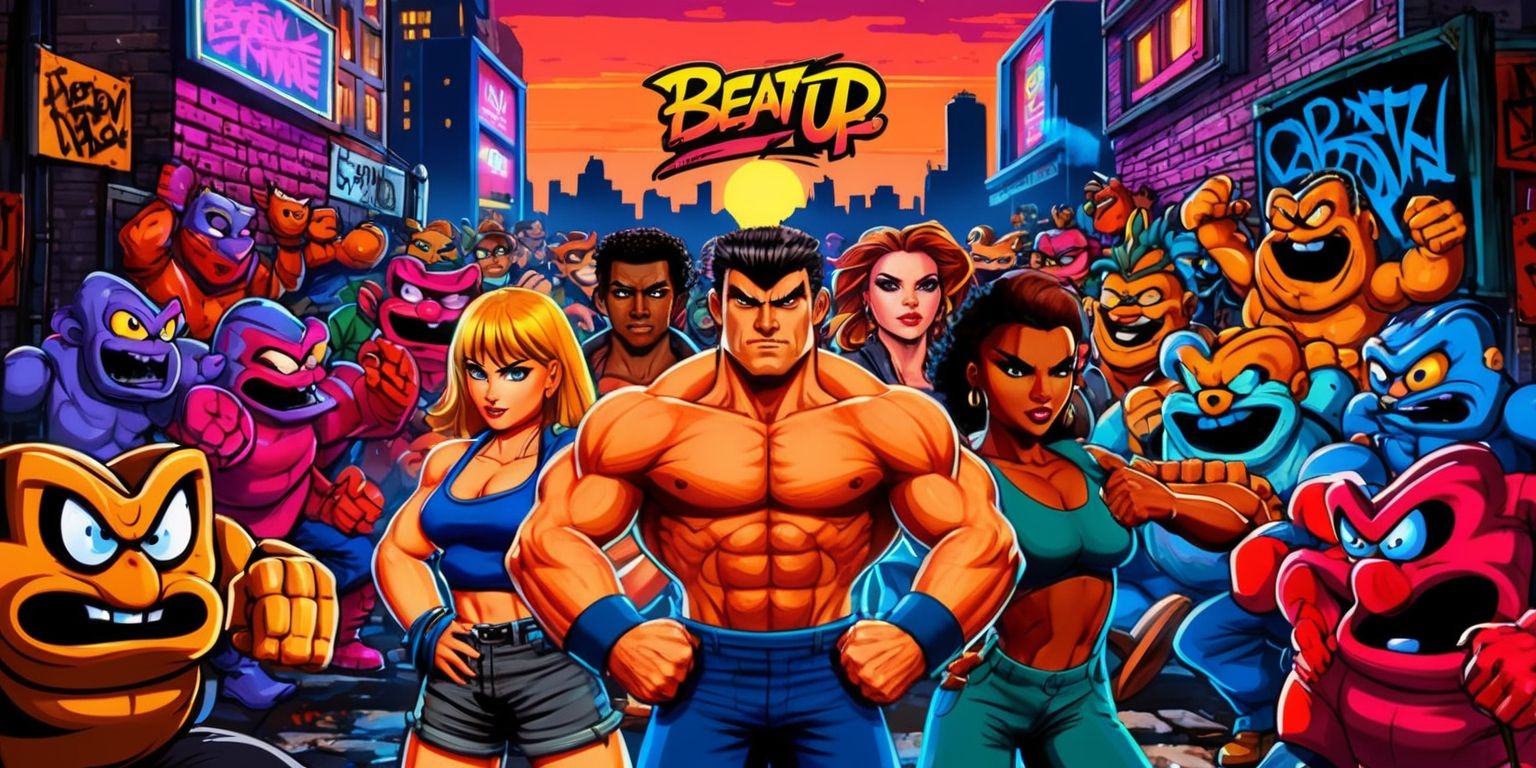
The game’s approach to character progression is both simplistic and engaging, straying from the more complex upgrade trees common in the genre. Rather than unlocking new moves through experience points, players enhance their combat stats by collecting various items scattered throughout the city. This method ensures that progression is a continuous yet methodical process, which keeps the pace deliberate and requires thoughtful resource management. The system is reminiscent of the old-school charm of arcade game power-ups, yet it lacks the deeper strategic elements that many modern titles boast. Despite this, the straightforward nature of the stat advancements ensures that each victory feels earned, and keeping track of vital resources Infuses the process with an extra dimension of tactical decision-making during extended play sessions.
Robust Character Roster and Play Styles
Diversity in playable characters stands out as a key strength in this installment. Each fighter not only exemplifies unique combat attributes but also reflects their narrative identities through distinct visual designs and fighting styles. The protagonist channels the spirit of renowned martial artists and action heroes, while other characters incorporate elements that are signature to their comic origins. This range allows for varied gameplay strategies—from close-quarters brawling to ranged assaults—that keep encounters fresh and unpredictable. Cooperative assists reminiscent of classic tag-team mechanics further enrich the combat dynamics. The character selection process feels intentional, with each fighter contributing their own flavor to the overall experience while enhancing the appeal for fans eager to see recognizable faces reinterpreted for modern gameplay innovations.
Chain Combos and Special Abilities in Focus
Delving deeper into the combat mechanics reveals a satisfying system of chain combos and special moves that energize each fight. Players are rewarded for executing precise timing sequences with devastating displays of power. The game borrows homage from legendary fighting franchises by incorporating signature moves that resonate deeply with longtime enthusiasts. Each character’s abilities are carefully balanced to allow the execution of both rapid strikes and heavier, cinematic assaults, ensuring that every clash feels unique. The assist maneuvers, which can dramatically alter the tide of battle by buffing the fighter or unleashing high-impact animations, add an extra strategic layer. While mastering these techniques requires patience and practice, the gratifying payoff of well-timed combos keeps combat encounters both riveting and deeply enjoyable.
Spatial Design and Repetitive Echoes
The layout of the game world is a double-edged sword, presenting a richly detailed environment that is marred by some monotonous design choices. The city map, though beautifully rendered in pixel detail, often imposes linear pathways that can restrict the sense of adventure. While occasional side areas provide delightful departures from the main route, much of the exploration is reduced to repetitive quests—retrieving items, unlocking songs, and similar tasks that slowly sap the excitement out of exploration. The persistent need to revisit previously cleared areas introduces a loop that, although intended to add depth, ultimately feels overextended. Such design decisions diminish the game’s potential, as the thrill of discovery is tempered by the constant reminder of backtracking, leaving players caught between appreciation for artistic detail and frustration over tedious mission structures.
Mission Variety and Quest Dynamics
Embedded within its urban sprawl, the game’s mission structure strives for a blend of narrative-driven tasks and action-packed encounters. Yet, many missions settle into a formula that involves prolonged searches and unavoidable repetition. Players find themselves tasked with simple errands—seeking out specific items or collecting tokens to unlock new interactions—against the backdrop of high-energy combat. Although the quests echo the spirit of classic beat 'em up tasks, the sheer frequency of these repetitive missions tends to dilute the intensity and spontaneity of each engagement. Responsibilities and objectives interweave seamlessly with the storyline, failing to stand apart as truly dynamic challenges. Instead, the redundancy associated with backtracking often leaves those looking for continuous surprise and discovery yearning for more innovative level design and diversified objectives.
Intertwined Realities and Narrative Threads
An intriguing narrative element emerges with a time travel plot that introduces alternate versions of familiar characters. This mechanic offers brief moments of introspection and curious encounters, where parallel variants of heroic figures engage in conflict on stage. The novelty of meeting an alternate version of a well-known fighter is met with initial anticipation, though these encounters are sometimes underdeveloped in their storytelling. The dialogue, penned by the original series creator, retains its quirky charm and offbeat humor, yet The storyline is more often relegated to a secondary role compared to the… gameplay. The attempt to blend narrative layers with game mechanics showcases a creative ambition, even if not fully realized. Interactions meant to highlight character growth and historical nuances sometimes simmer down to mere background chatter, subtly reminding players of the game’s narrative aspirations while leaving room for further depth.
Challenging Checkpoints and In-Game Incentives
Encounters in the game are punctuated by a checkpoint system designed to test players’ persistence and tactical acumen. Upon facing formidable adversaries, a setback is not merely a momentary delay but a call to re-engage with earlier experiences and challenges. Notably, failed encounters lead players back to previously navigated territory, necessitating a reconstruction of efforts that can feel as though progress is consistently reset. This unforgiving design, combined with the loss of crucial in-game resources upon defeat, intensifies the challenge but may also interrupt the flow of continuous combat action. Each checkpoint is a double-edged sword, meant to encourage perseverance while simultaneously reminding the player of their margins for error. The balance between challenge and accessibility creates a dynamic that insists on skillful play and measured risk-taking, reinforcing the game’s identity as a robust beat 'em up experience.
Emulation of Classic Fighting Archetypes
The game pays deliberate homage to revered fighting franchises, borrowing elements that reimagine legendary styles within its pixelated framework. One can notice subtle nods to iconic fighting moves, purposeful echoes of select martial arts heroes imbued throughout the character animations. The emphasis on combat variety and movement fluidity is evident in the range of techniques and strategic assists available to players. Each fighter is modeled after archetypes familiar to genre enthusiasts, merging classic design with modern control mechanics. This creative blending ensures that both veterans of traditional titles and newcomers can appreciate the mixture of nostalgic references and innovative combat frameworks. The deliberate inclusion of such stylistic homages reinforces the game’s thematic commitment, evoking feelings of heritage while simultaneously charting its own innovative path in the realm of modern beat 'em ups.